
Blog
Heat pump making noise? Normal vs problem sounds
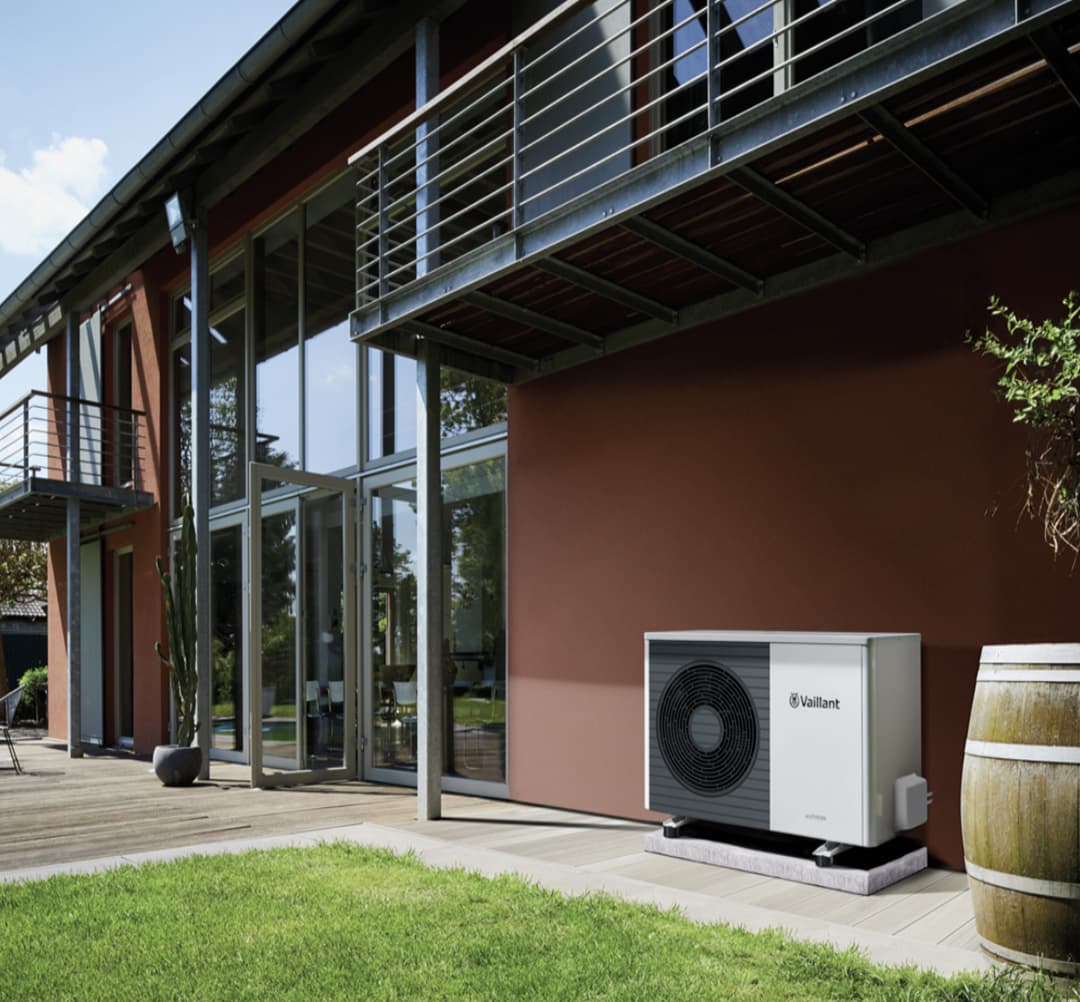
If your air source heat pump has started making unfamiliar noises, it can be worrying, especially on a cold evening when you rely on it most. The good news is many sounds are perfectly normal, while others are early clues that something needs attention.
Normal heat pump noises explained
Heat pumps are not silent, and a steady level of sound is expected when the system is running. Understanding these typical noises can stop you stressing over sounds that are actually part of normal operation.
Fan airflow and gentle whooshing
The outdoor unit contains a large fan that pulls air across the coil. As it spins, you will usually hear a steady whooshing or rushing air sound.
This may get slightly louder in colder weather or when the system is working harder. As long as it is smooth and consistent, this is generally normal.
Compressor hum and start-up sounds
The compressor is the heart of the heat pump and will normally produce a low, steady humming or buzzing when running. It may be more noticeable at start-up before settling down.
You might also hear a brief change in tone when the compressor output ramps up or down. This is usually just the system adjusting to heating demand.
Soft fan noise and airflow are usually normal
Low, steady humming from the compressor is expected
Occasional clicks during start-up or mode changes are common
Clicks during defrost cycles
In cold, damp weather, your heat pump will occasionally run a defrost cycle to clear ice from the outdoor coil. You may hear clicks, valve movements and a change in fan speed as it switches modes.
The unit might briefly go quieter or louder, and you may see steam. As long as it returns to normal operation after several minutes, these noises are typically part of the defrost process.
Water movement and gurgling
If you have a system with water-filled pipes indoors, you may hear gentle gurgling or water movement from time to time. This is often water circulating through pipes, radiators or underfloor loops.
These sounds are usually harmless, although loud or persistent gurgling can suggest air in the system that may need bleeding by an engineer.
Noises that need closer attention
Some sounds point to loose parts, wear, or mounting issues. Acting early can prevent more serious problems and improve comfort around your home.
Rattling panels or loose parts
A repeated rattle or vibration from the casing often means a panel, grille or fixing has worked loose. This is especially common after storms or if the unit has been bumped.
If safe to do so, you can visually check whether any panels are visibly vibrating and gently tighten accessible screws with the power off. If you are unsure, it is best to have an engineer take a look.
Grinding, scraping or harsh mechanical noise
Grinding or scraping usually indicates a mechanical issue, such as a fan blade catching on something or a failing motor or bearing. These noises are not normal and should not be ignored.
Continuing to run the heat pump with this kind of sound can cause further damage. Switch the system off and arrange a professional inspection.
Loud buzzing, humming or electrical-sounding noise
A much louder than usual buzz or hum, especially from electrical components, is a concern. It could point to an electrical fault, failing contactor or other internal issue.
If you also notice a burning or electrical smell, switch the unit off at the isolator and contact an engineer before turning it back on.
Repeated short cycling on and off
Short cycling is when the heat pump starts and stops frequently, running for only a short time before cutting out. You may hear repeated clicks and changes in hum every few minutes.
This can be caused by incorrect settings, sensor issues, poor installation, or a developing fault. Short cycling reduces efficiency and can wear components, so it is worth investigating.
Strong vibration and noise through brackets
If your heat pump is wall mounted or on brackets, vibration can transfer into the building and sound much louder indoors. You might hear a low rumble, droning or resonant hum.
This can sometimes be reduced by checking for loose fixings, worn rubber mounts or hard contact between pipework and the wall. A professional can often improve things significantly with better supports or isolation pads.
Safe checks you can do at home
There are a few simple checks most homeowners can safely carry out, as long as you do not remove covers or touch internal components. Always keep safety in mind and avoid anything you are not comfortable doing.
Check around the outdoor unit
First, ensure the unit is clear of debris such as leaves, twigs, plastic bags or garden items that could interfere with the fan or airflow. Anything loose can rattle or be drawn against the grille.
Look from the side to see if the unit appears level and securely supported. If it looks like it is leaning or the base has sunk, this can cause extra vibration and noise.
Make sure nothing is touching the casing
Fences, plant pots, pipes and even stored items can touch the casing and amplify vibration. Leave a clear gap around the heat pump so it can operate without knocking against anything.
Indoors, check that pipework, cupboards or shelves are not tightly pressing against any parts connected to the heat pump circuit, as this can carry sound into the room.
Note when and how the noise happens
Pay attention to when the noise occurs. Is it only at start-up, only during very cold weather, or just during defrost cycles? Does it get louder at high demand times, such as early morning?
Make a few notes about the timing, duration and type of sound. This information is very helpful for an engineer when diagnosing the issue.
Check the controller for alerts or warnings
Look at your heat pump controller or thermostat for any error messages, flashing lights or unusual symbols. Some systems will log fault codes that relate to particular issues.
Do not try to reset the system repeatedly if the same error keeps returning. Instead, record the message or code so you can pass it on to your service engineer.
Placement and acoustic comfort
Where your heat pump is installed has a big effect on how noisy it seems indoors and in the garden. Good placement at installation stage can reduce future annoyance.
Position, barriers and reflections
Heat pump sound can reflect off hard surfaces like walls and paving. Locating the unit away from bedroom windows or echoing corners can make a big difference.
Acoustic fencing, planting or purpose-made barriers can help break up sound and reduce how far it carries, as long as airflow to the unit remains free and unobstructed.
Mounting, brackets and fixings
Wall brackets and plinths should be sturdy, level and fitted with suitable anti-vibration pads. Loose or corroded fixings can increase vibration and noise over time.
If your unit seems to have grown noisier since installation, it is often worth having an engineer check bracket condition, rubber mounts and fixings, and adjust or replace them if required.
When to stop and call an engineer
Some situations need prompt professional attention to keep your system safe and reliable. Use this as a simple reference if you are unsure whether to switch off and seek help.
Sudden new loud noise, especially grinding, banging or shrieking
Loss of heating or hot water alongside unusual sounds
Error codes or warning messages that do not clear
Ice buildup on the outdoor unit that does not clear after defrost cycles
Any burning or electrical smell from the unit or wiring
Need help with a noisy heat pump?
Living with a heat pump that sounds wrong is stressful, and leaving it can risk bigger repair bills later. If your system is making worrying noises, or you are simply not sure if what you hear is normal, it is best to have it checked by a qualified engineer.
REGH Ltd can help to diagnose noise issues and improve both performance and comfort. If the noise persists or you have any of the warning signs above, contact REGH Ltd on 01274918550 to arrange an inspection or maintenance visit.
Other Articles